Nature Conservation and Environmental Protection

Preserving Our Natural World for Future Generations

Dedicated to the protection of forests, waterways, and wildlife through sustainable practices, education, and community engagement.

About Our Mission

Dedicated to Preserving Nature Since 2020

Our Vision for Environmental Protection

At EcoPreserve, we are committed to the preservation of natural ecosystems and biodiversity across the globe. Our organization was founded with the vision of creating a sustainable relationship between humanity and nature. We believe that by protecting our forests, waterways, and wildlife habitats, we secure a better future for generations to come. Through research, education, and community engagement, we strive to address the most pressing environmental challenges facing our planet today.

Key Conservation Areas

75% 65% 85%

Our comprehensive approach to conservation encompasses the protection of diverse ecosystems, from pristine forests and wetlands to marine environments. We collaborate with local communities, government agencies, and other non-profit organizations to develop and implement sustainable solutions that balance human needs with ecological preservation.
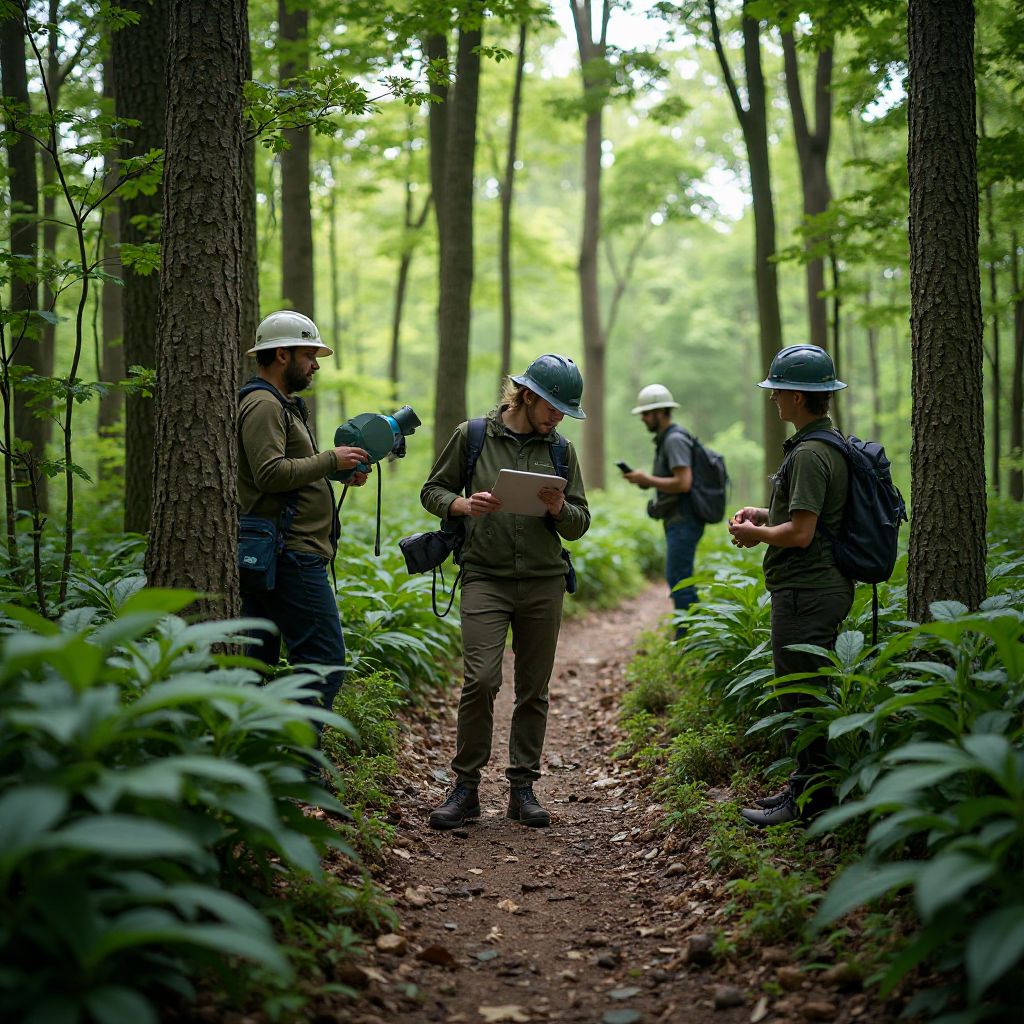
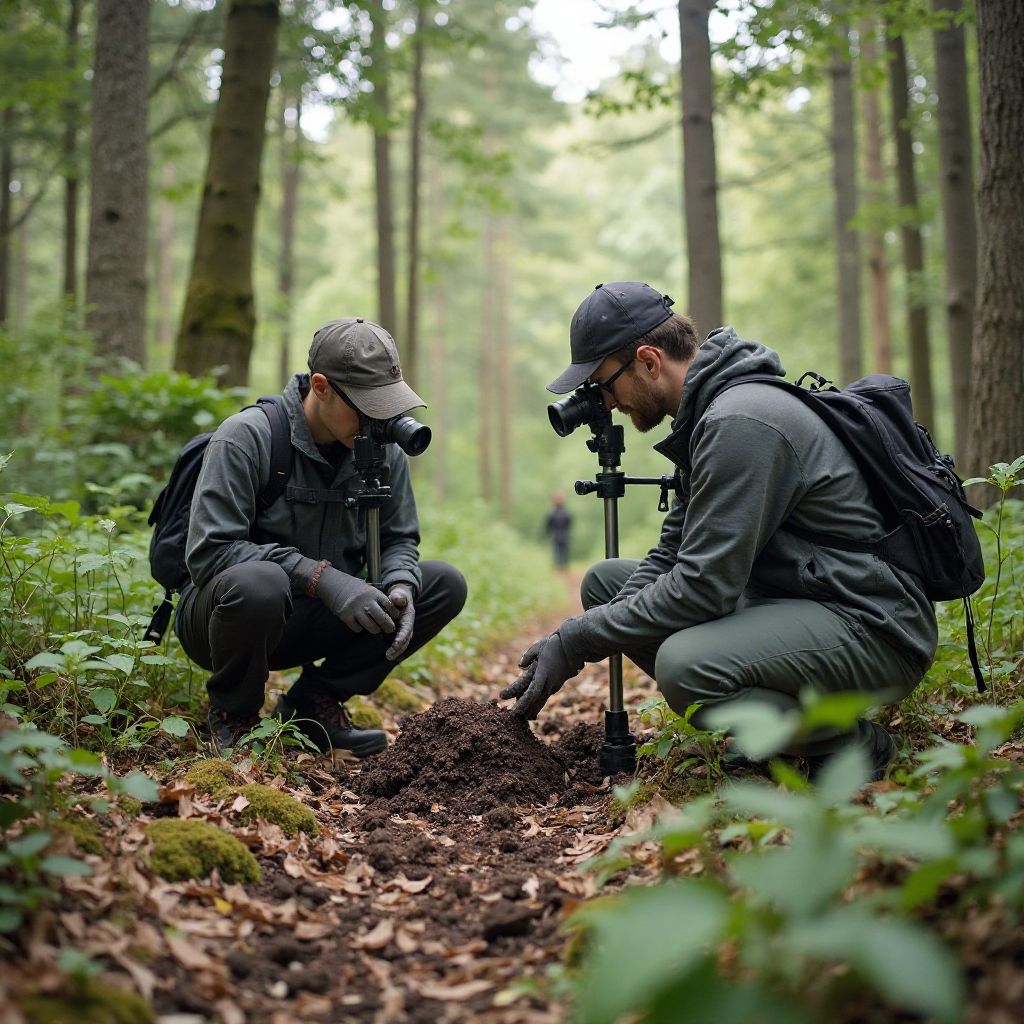
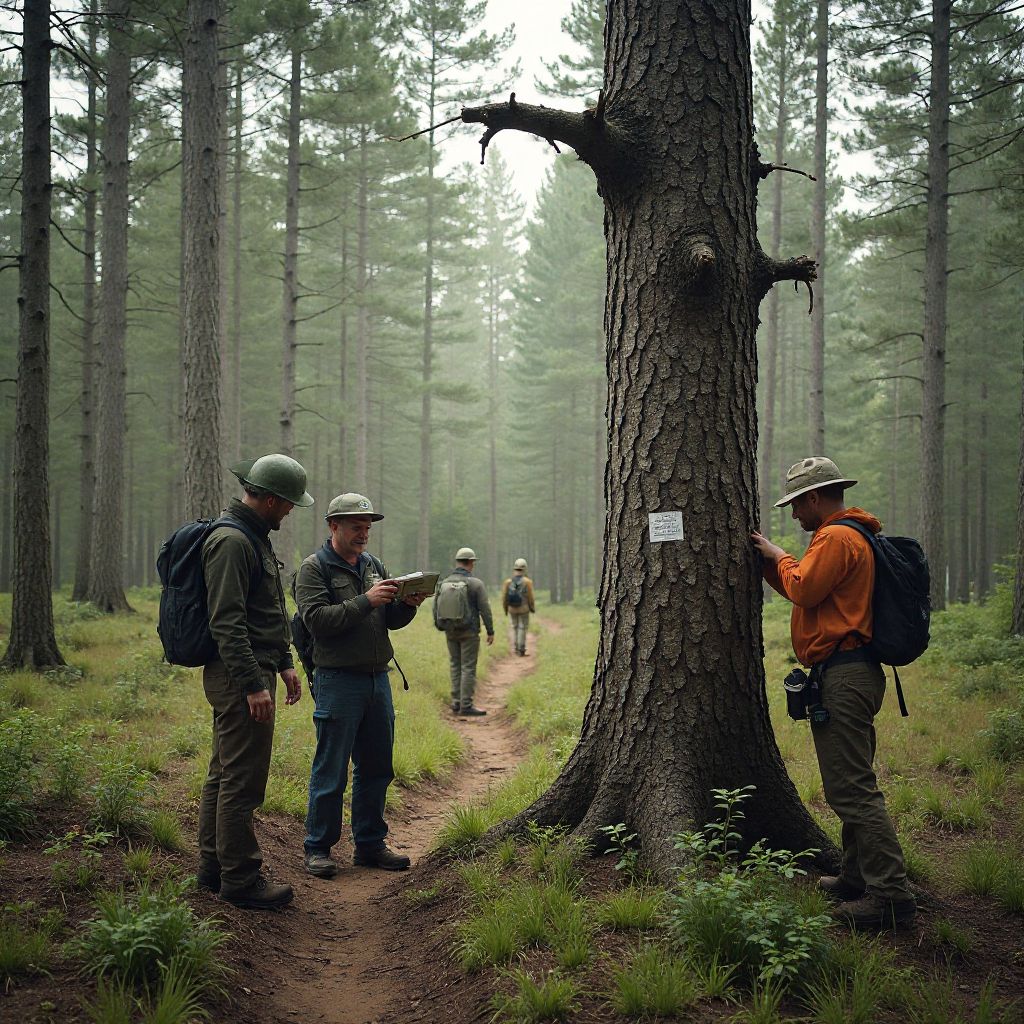
Conservation specialists working in a forest

Our Impact

  • Protected over 50,000 hectares of forest land
  • Restored 25 miles of river ecosystems
  • Implemented conservation plans for 35 endangered species
  • Engaged with 200+ local communities on sustainable practices
  • Conducted 120 research projects on biodiversity

Our History

A Timeline of Environmental Stewardship

2020

Foundation

Established with a focus on forest conservation and biodiversity research. Our initial team consisted of just five dedicated environmentalists working from a small office in Constanța, Romania.

2022

Expansion

Expanded our operations to include water resource management and marine conservation initiatives. Partnered with 15 international organizations to amplify our global impact on environmental protection efforts.

2024

Research Center

Opened our dedicated research center focusing on climate resilience and ecosystem restoration techniques. Launched our educational program reaching over 10,000 students annually with environmental curriculum.

2026

Future Vision

Looking forward to implementing our comprehensive 10-year conservation plan, focusing on climate adaptation, rewilding projects, and technological integration for environmental monitoring.

Our Methodology

Science-Based Approaches to Conservation

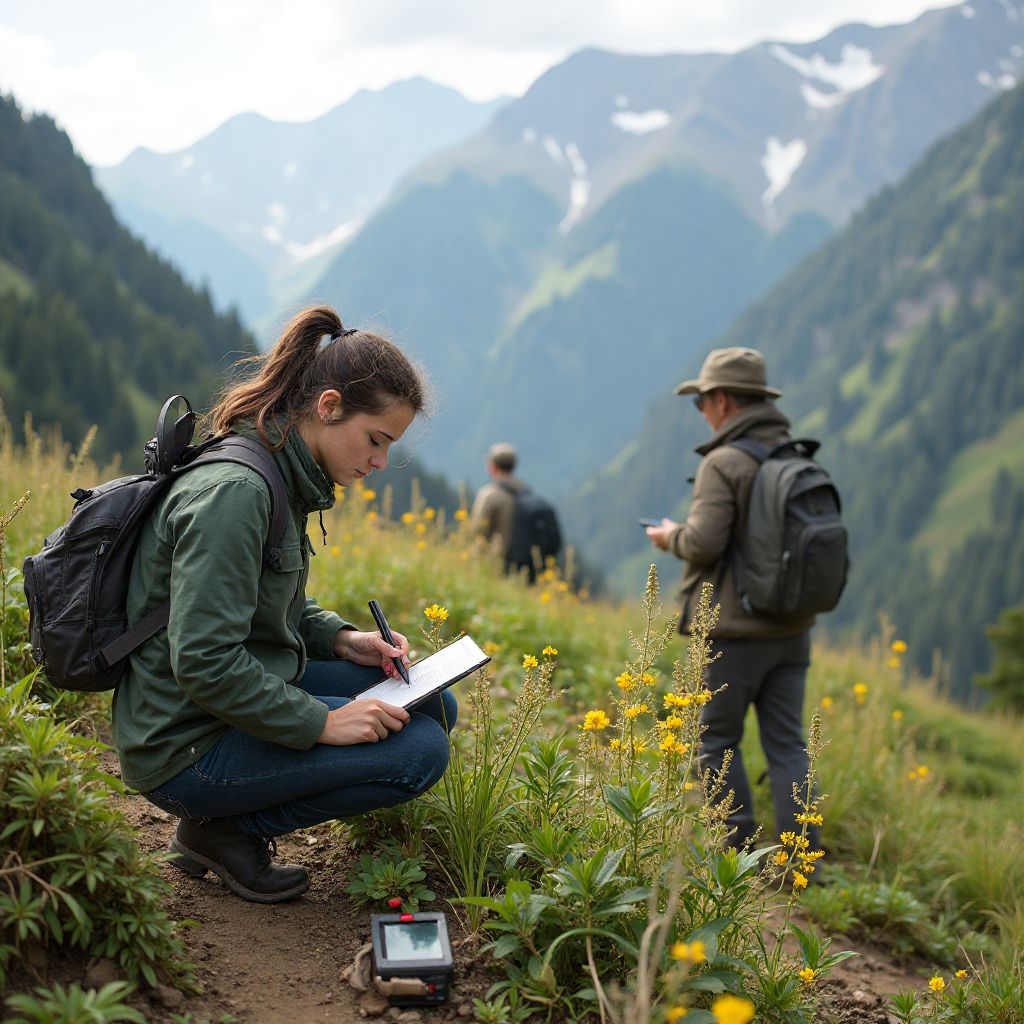
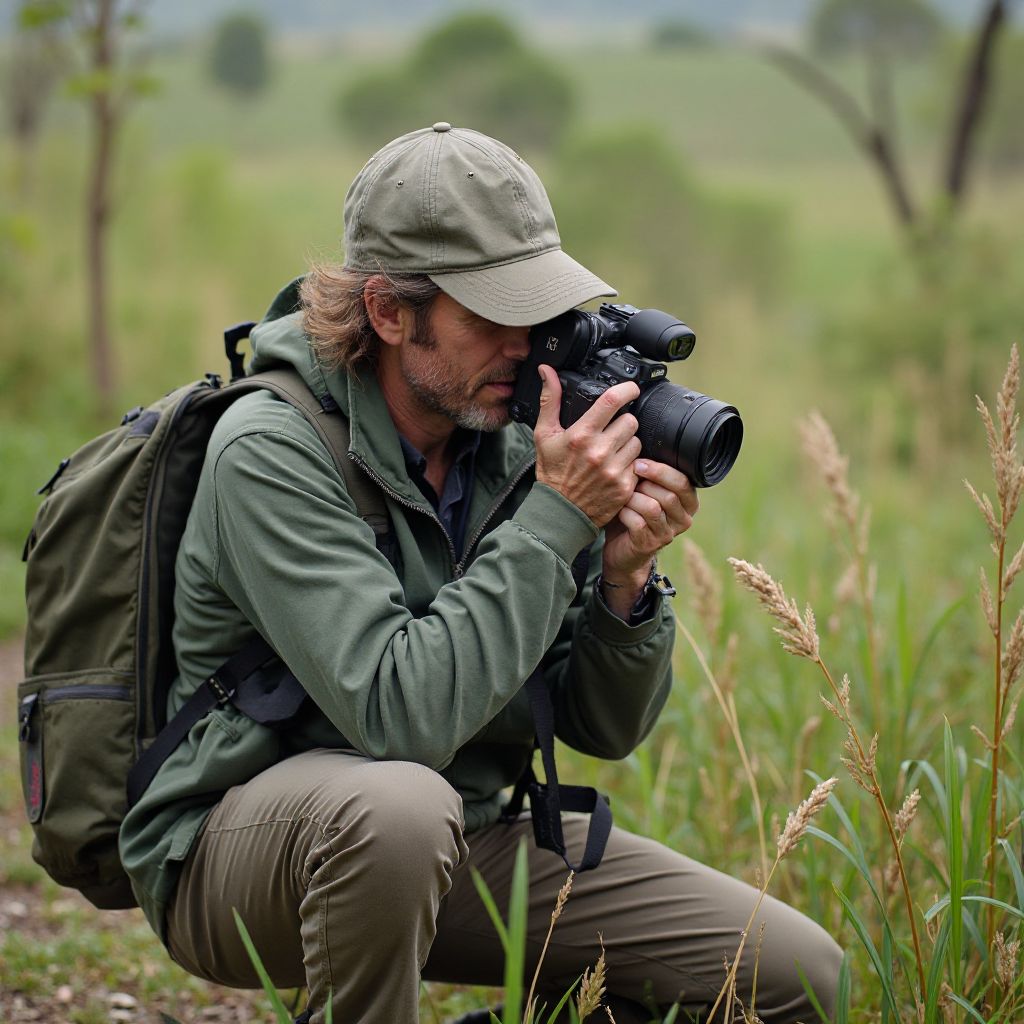
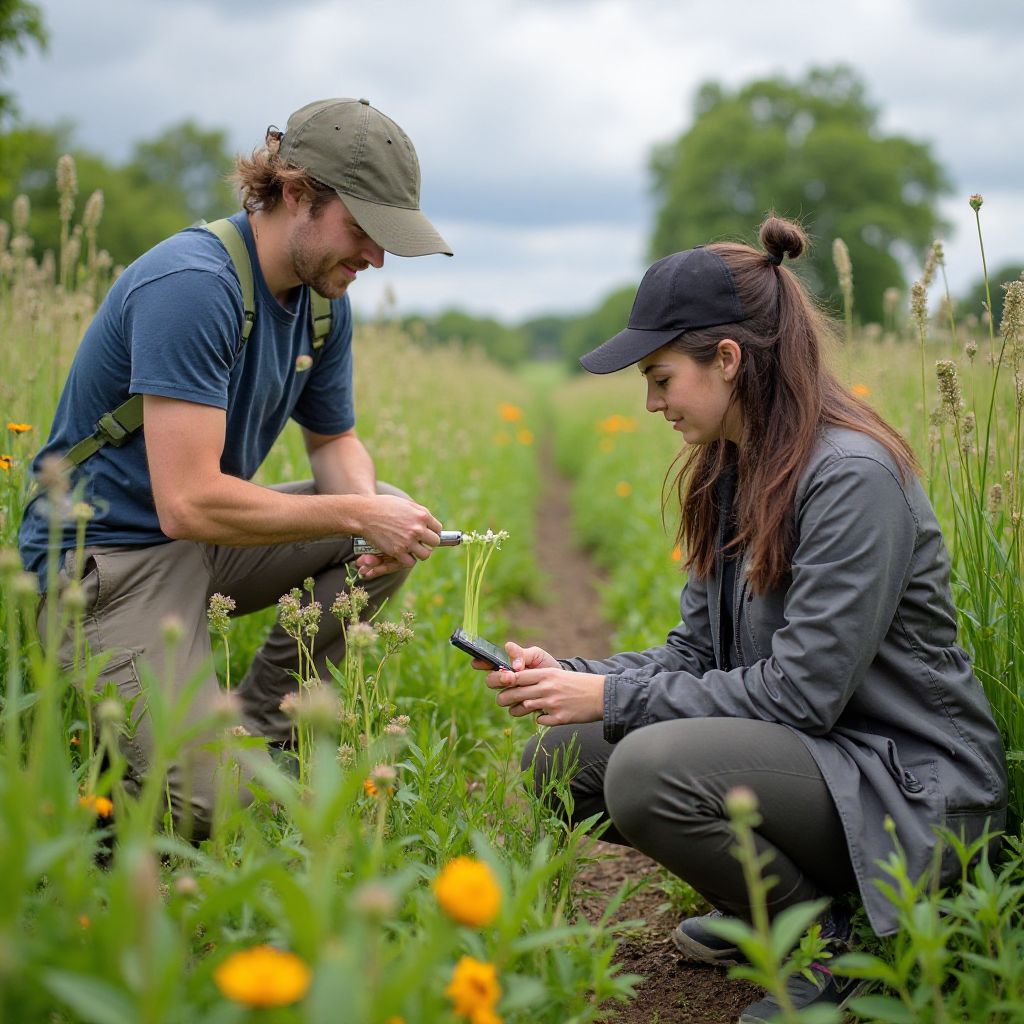
Scientists collecting data in the field

Data-Driven Research

Our conservation strategies are built upon rigorous scientific research and data collection. We utilize cutting-edge technology, including satellite imagery, environmental DNA sampling, and long-term ecological monitoring, to understand ecosystem dynamics and identify effective conservation measures. By establishing baseline data and tracking changes over time, we can measure the impact of our interventions and adjust our approaches accordingly.

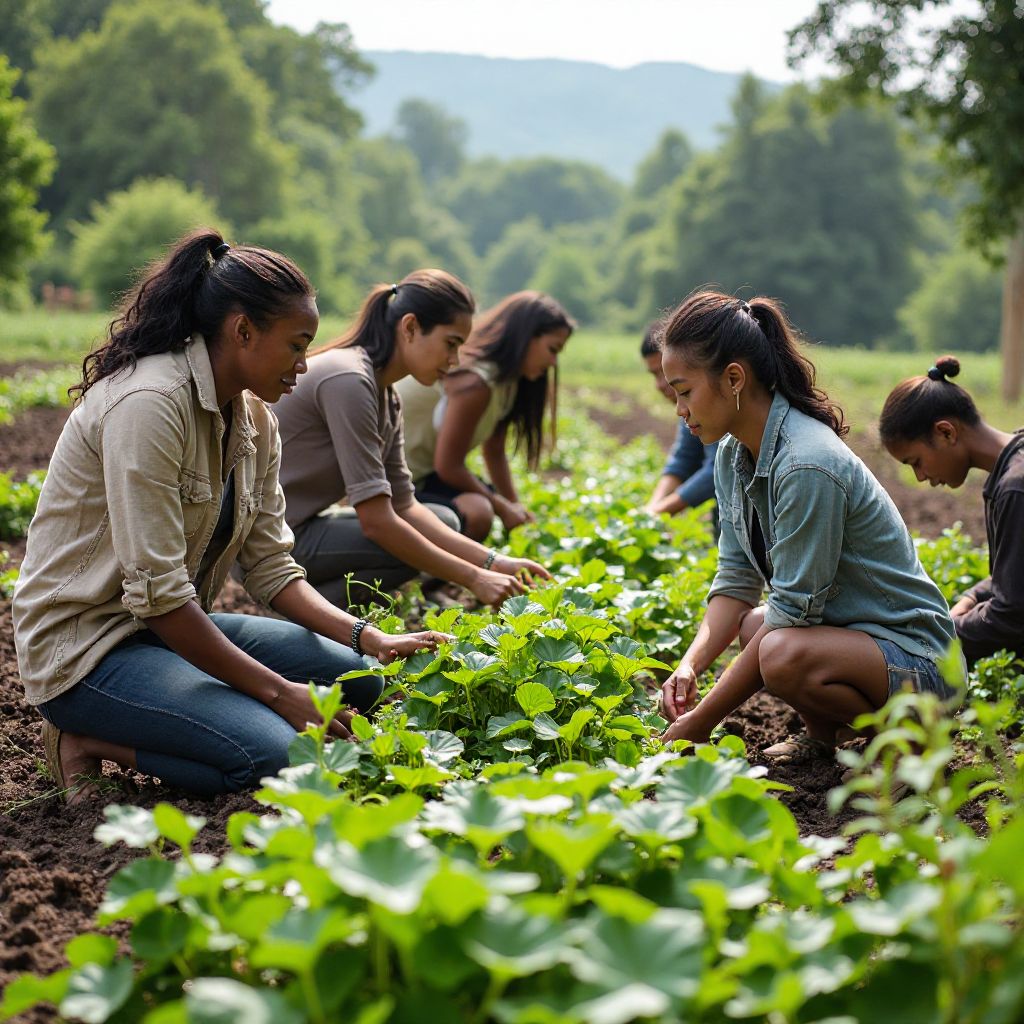
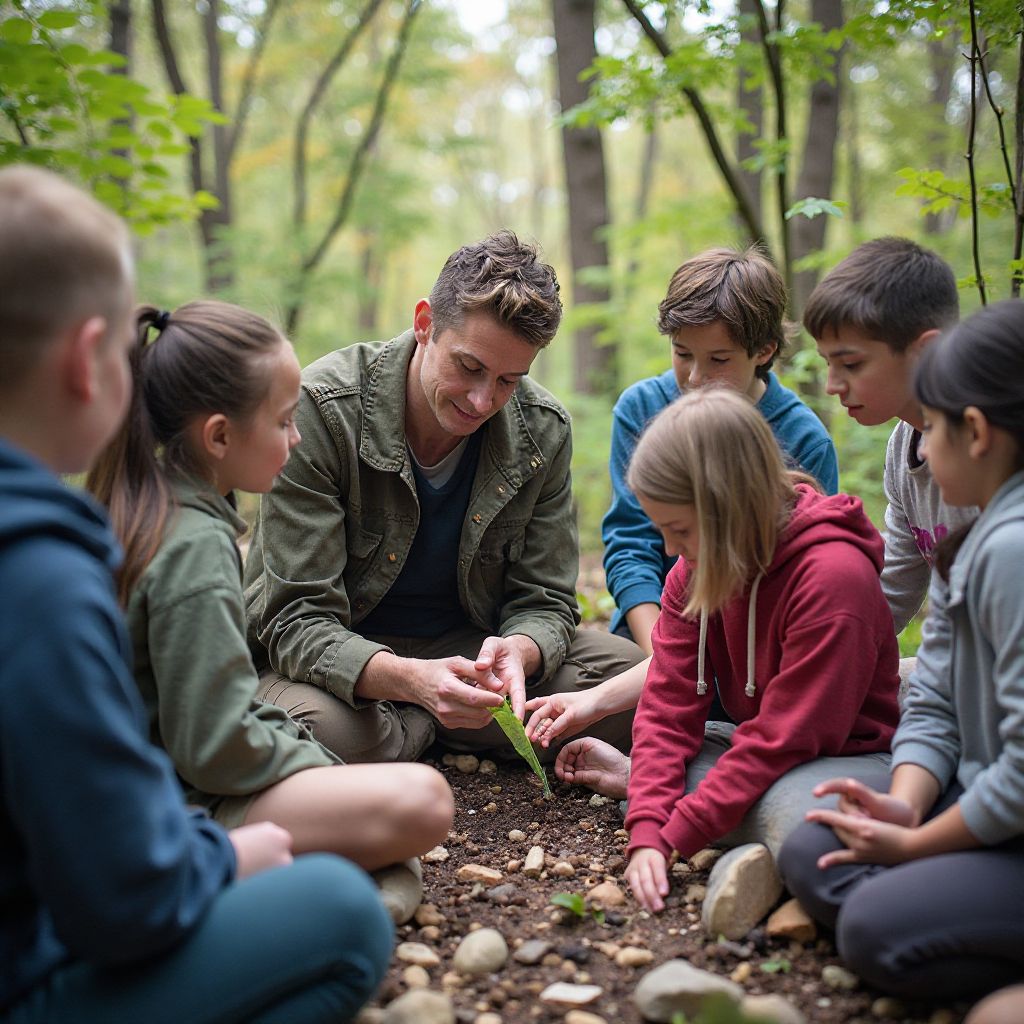
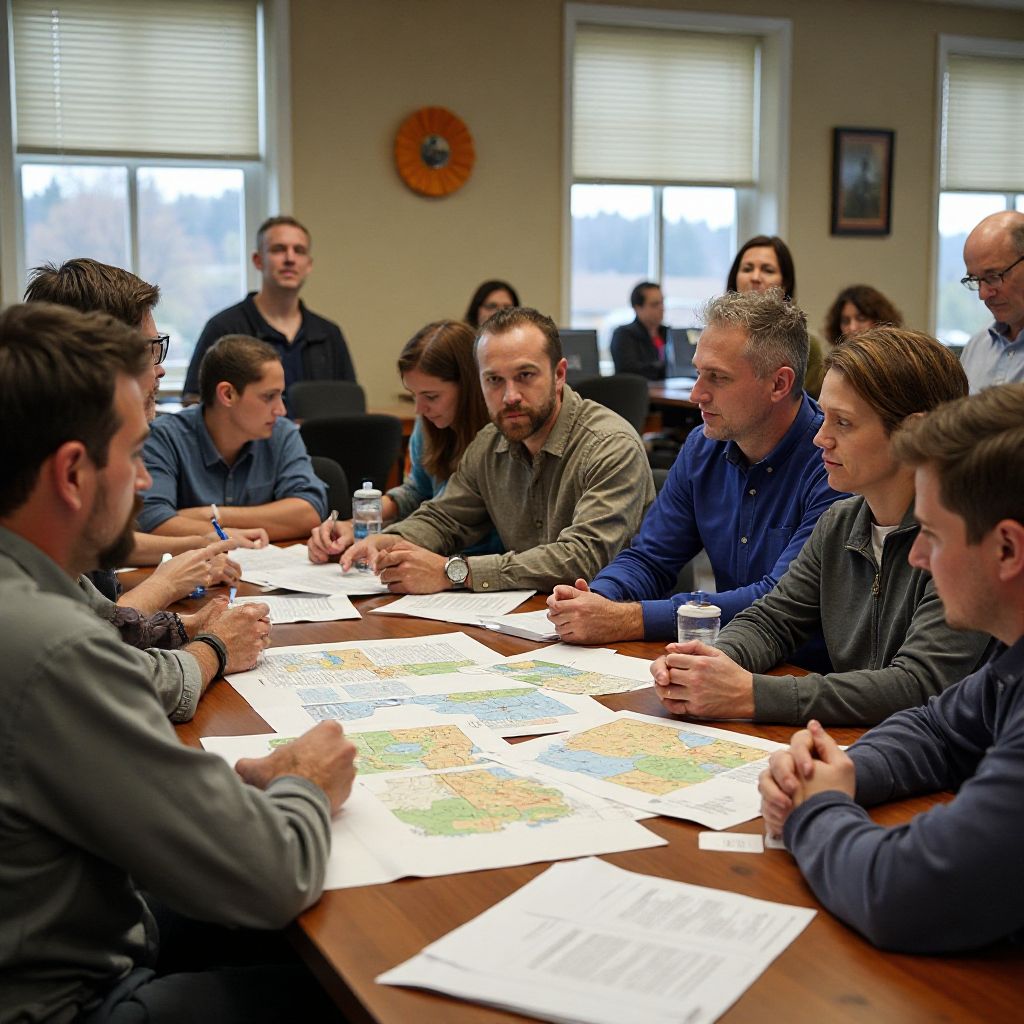
Community workshop on sustainable practices

Community Collaboration

We recognize that successful conservation requires the active participation of local communities. Our methodology incorporates community-based conservation principles, where we engage with stakeholders to develop solutions that address both environmental and socioeconomic needs. Through workshops, training programs, and collaborative decision-making processes, we empower communities to become stewards of their local environments.

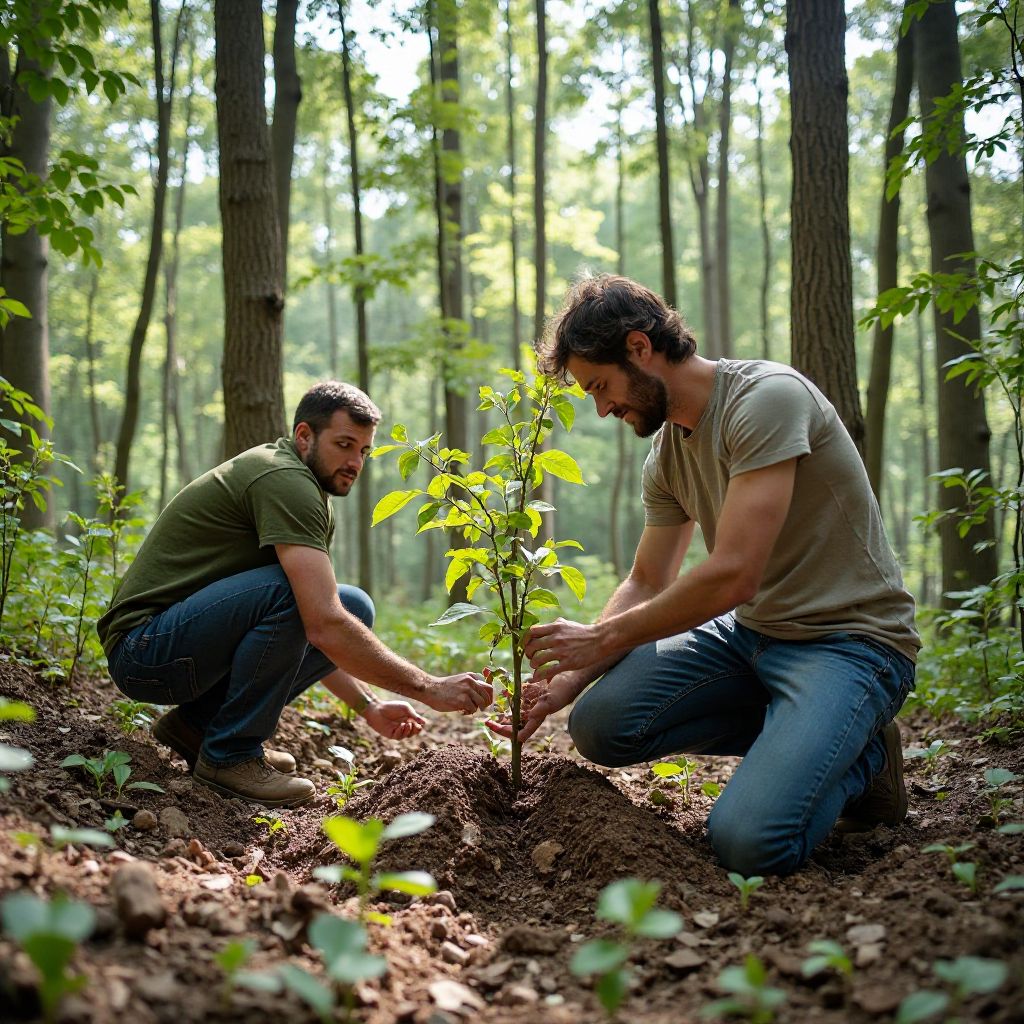
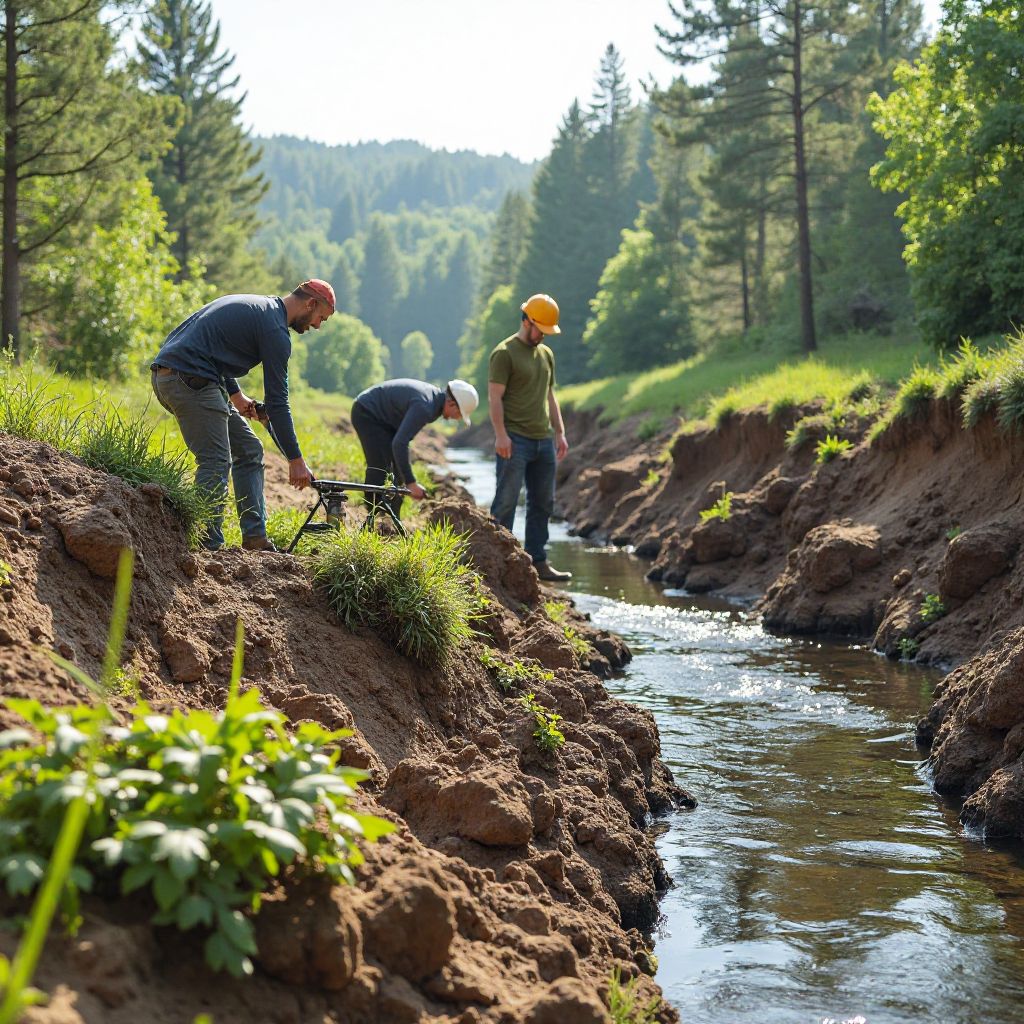
Active restoration of damaged forest area

Ecosystem Restoration

Our restoration methodology follows ecological principles to rebuild damaged ecosystems. We implement nature-based solutions such as reforestation with native species, wetland rehabilitation, and riverbank stabilization. These approaches not only restore biodiversity but also enhance ecosystem services like carbon sequestration, water filtration, and soil conservation, providing multiple benefits to both wildlife and human communities.

Environmental policy meeting with stakeholders

Policy Advocacy

Effective conservation requires supportive policies and regulations. Our methodology includes evidence-based advocacy to inform decision-makers about the importance of environmental protection. We develop policy recommendations based on our research findings and collaborate with governmental agencies to implement sustainable management practices. Through strategic partnerships with other organizations, we amplify our voice in advocating for stronger environmental protection measures.

Our Research

Advancing Environmental Knowledge

Current Research Projects

Forest Biodiversity Assessment

Our ongoing study of forest ecosystems focuses on documenting plant and animal species diversity across different forest types. Using standardized sampling methods, camera traps, and eDNA analysis, we are creating comprehensive biodiversity inventories that help identify conservation priorities and monitor the health of forest ecosystems. This research is crucial for understanding how climate change and human activities impact forest biodiversity and for developing effective management strategies.

Watershed Health Monitoring

This project examines water quality, aquatic biodiversity, and riparian zone conditions in key watersheds. By measuring physical, chemical, and biological parameters, we assess the health of freshwater ecosystems and identify pollution sources and other threats. Our research provides valuable data for water resource management decisions and helps prioritize restoration efforts in degraded watersheds. We also engage citizen scientists in water quality monitoring, creating educational opportunities while expanding our data collection network.

Climate Change Adaptation in Ecosystems

This research examines how different ecosystems respond to climate change and identifies strategies to enhance their resilience. Through long-term monitoring plots, climate modeling, and experimental studies, we investigate how plant and animal communities adapt to changing conditions. Our findings inform adaptation strategies such as assisted migration of species, protected area design, and habitat connectivity enhancement. This research is essential for developing conservation approaches that account for ongoing and future climate changes.

Research Impact

35 Peer-Reviewed Publications
24 Active Research Projects
18 Research Partnerships
450+ Species Documented
Researcher collecting samples in the field

Recent Publications

  • 2025: "Biodiversity Patterns in Temperate Forest Ecosystems: A Multi-Taxa Approach"
  • 2024: "Water Quality Trends in Eastern European Rivers: Impacts of Land Use Change"
  • 2024: "Conservation Strategies for Endemic Plant Species Under Climate Change Scenarios"
  • 2023: "Community-Based Monitoring of Forest Resources: Methods and Outcomes"

Conservation Resources

Valuable Information & Partnerships

Sustainability Initiatives

Building a Sustainable Future

Our Approach to Sustainability

At EcoPreserve, we understand that true environmental conservation must be built on sustainable practices that balance ecological preservation with human needs. Our sustainability framework integrates environmental protection, social responsibility, and economic viability to create long-lasting positive impacts. We believe that sustainable solutions require collaborative efforts between communities, governments, businesses, and non-profit organizations.

Through our various initiatives, we aim to demonstrate that economic development and environmental conservation can and must work in harmony. From promoting sustainable agriculture and responsible tourism to advocating for renewable energy and circular economy principles, our approach encompasses multiple dimensions of sustainability to address interconnected environmental challenges.

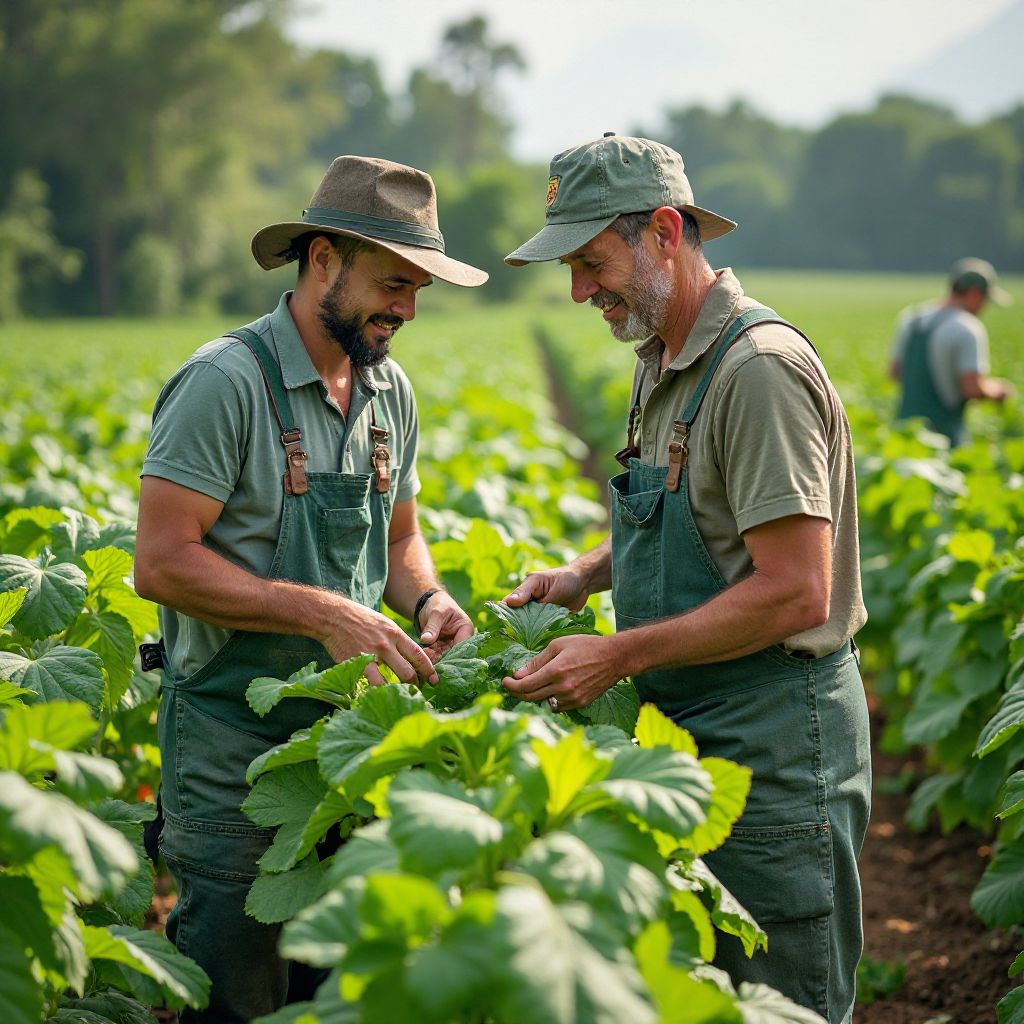
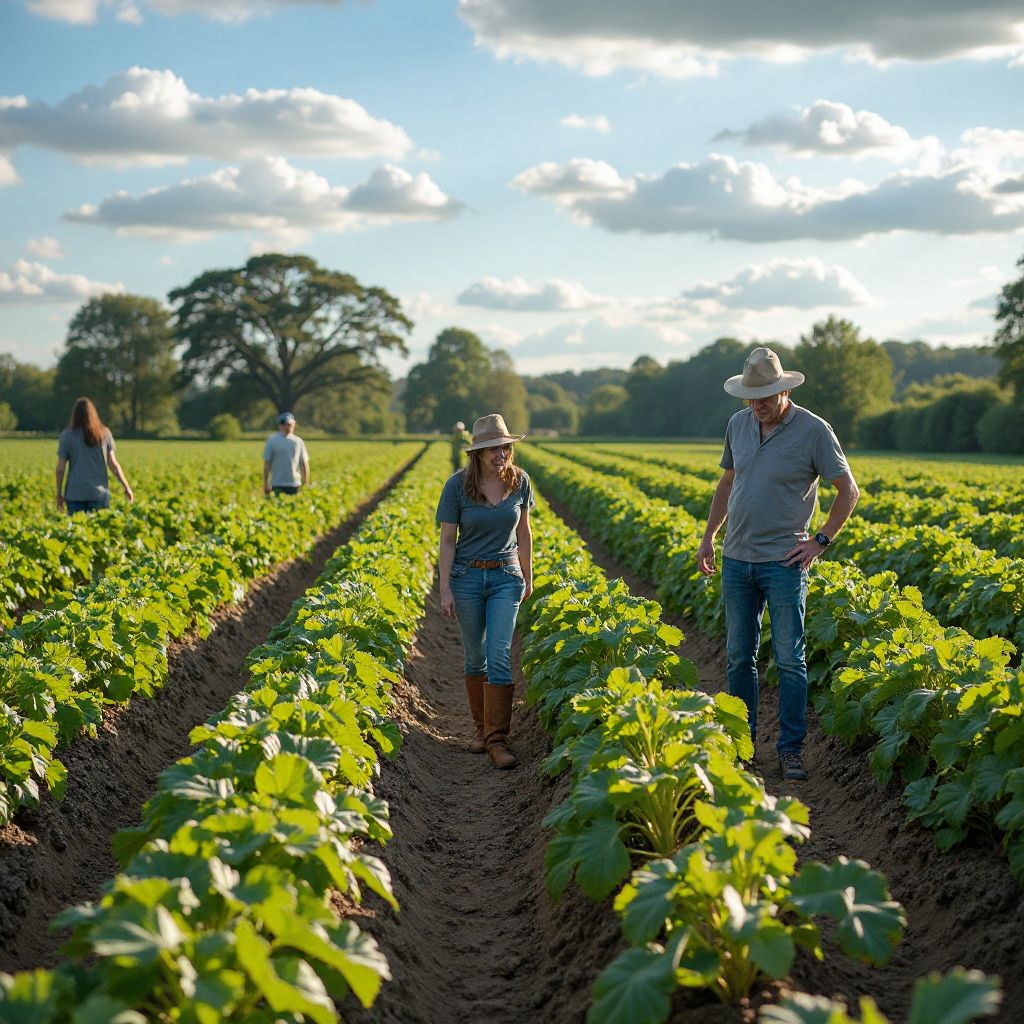
Sustainable agriculture project

Forest Stewardship

Our forest stewardship program works with landowners and communities to implement sustainable forestry practices that maintain forest health while providing economic benefits. Through selective harvesting, reforestation, and certification programs, we help ensure that timber extraction doesn't compromise ecosystem integrity. This approach has helped protect over 25,000 hectares of forest while supporting local economies through sustainable timber and non-timber forest products.

Sustainable Water Management

Our water resource initiatives focus on watershed protection, efficient water use, and water quality improvement. We work with agricultural communities to implement water-saving irrigation techniques, establish riparian buffer zones, and reduce agricultural runoff. In urban areas, we promote green infrastructure for stormwater management and water conservation measures. These efforts help maintain healthy aquatic ecosystems while ensuring water availability for human needs.

Ecotourism Development

We support the development of responsible ecotourism that generates income for local communities while incentivizing conservation. By training local guides, establishing visitor management systems, and creating educational interpretation programs, we help communities benefit from their natural resources without degrading them. Our ecotourism projects have created sustainable livelihoods for hundreds of people in communities adjacent to protected areas.

Our Sustainability Impact

12,500 hectares

Sustainable forest management

8.2 million m³

Water conserved annually

850+ people

Sustainable livelihoods created

45 communities

Engaged in conservation

Conservation Portfolio

Our Key Projects and Initiatives

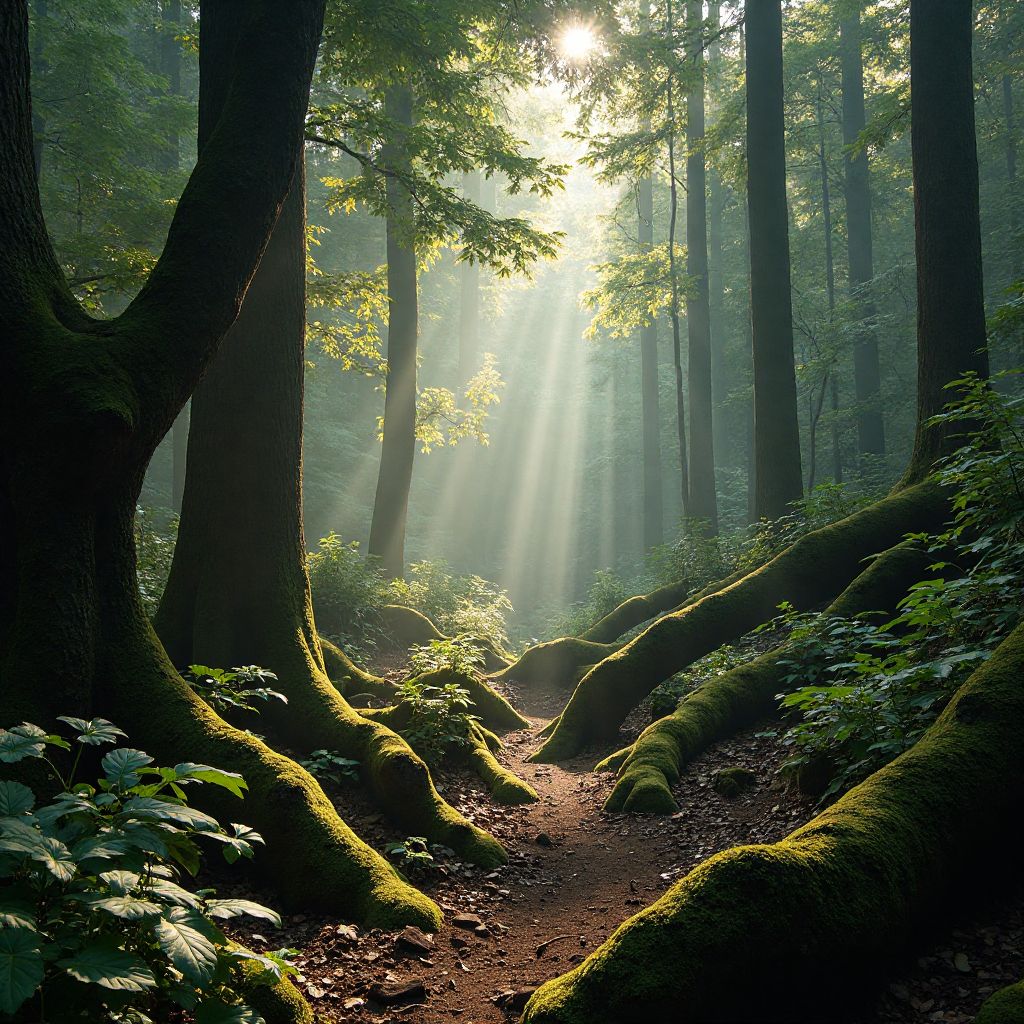
Forest conservation project

Carpathian Forest Protection

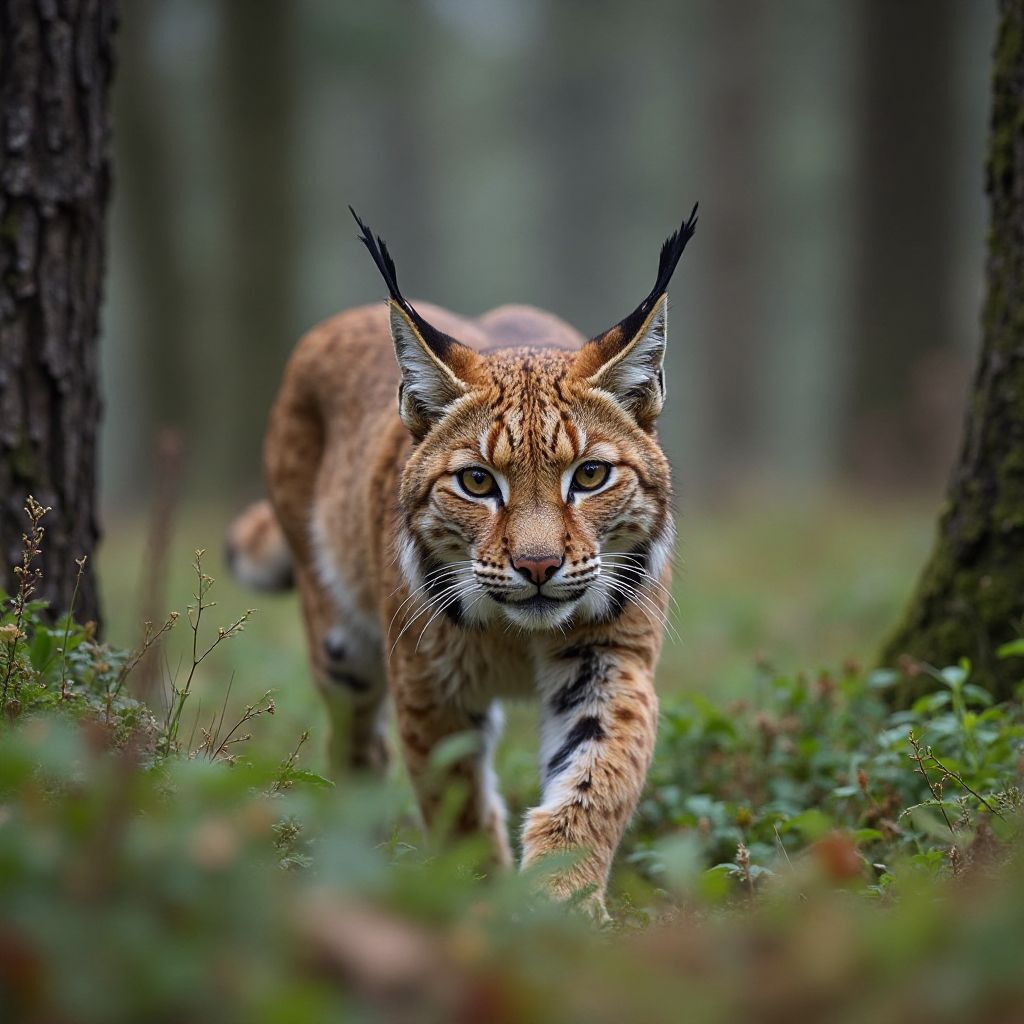
This flagship project focuses on protecting old-growth forests in the Carpathian Mountains. Through land acquisition, anti-poaching initiatives, and sustainable forestry training, we've helped preserve critical habitat for numerous endangered species including the European brown bear, wolf, and lynx. Working with seven local communities, we've established a network of community-managed forests that balance conservation with sustainable resource use.

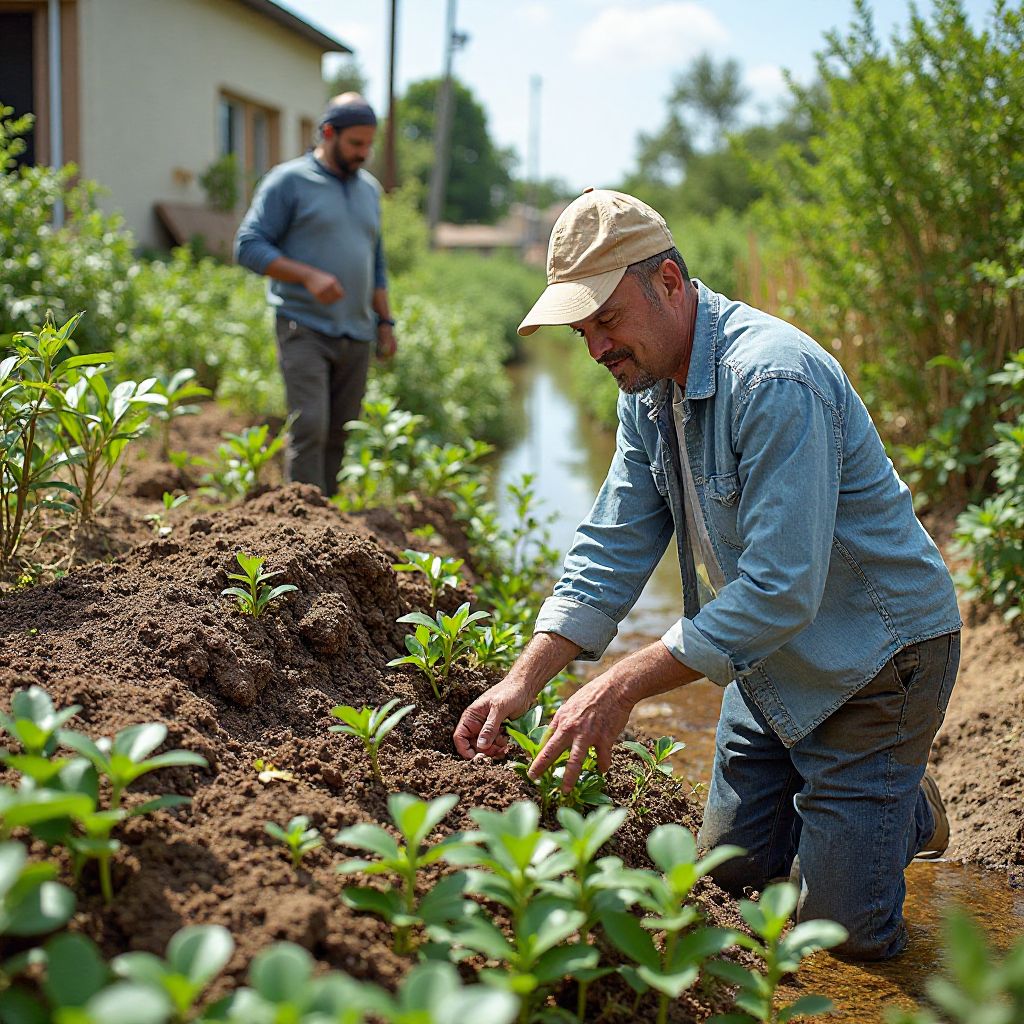
River restoration project

Danube Delta Restoration

This comprehensive project aims to restore wetland habitats in the Danube Delta, one of Europe's most important ecological areas. Our work includes removing invasive species, reestablishing natural water flows, and working with local communities to reduce pollution from agricultural runoff. The project has successfully restored over 5,000 hectares of wetland habitat, benefiting numerous bird species and improving water quality throughout the delta ecosystem.

Endangered species monitoring

Rare Species Recovery Program

Our species recovery program focuses on critically endangered flora and fauna in Eastern Europe. Current efforts include breeding and reintroduction programs for the European mink, habitat restoration for rare orchid species, and protection measures for threatened butterfly populations. Through scientific research, habitat management, and public education, we're working to reverse population declines and establish self-sustaining populations of these vulnerable species.

Environmental education program

Youth Environmental Education

Our education program reaches thousands of young people annually through school visits, field trips, and summer camps. The curriculum covers biodiversity, climate change, pollution reduction, and conservation careers. By fostering environmental awareness and stewardship from a young age, we're building a new generation of conservation advocates. The program includes teacher training components and has been adopted by over 120 schools across Romania.

Sustainable agriculture project

Eco-Agricultural Development

This initiative works with farmers to implement sustainable agricultural practices that reduce environmental impacts while maintaining productivity. Through training in organic farming methods, agroforestry, and integrated pest management, we help agricultural communities reduce chemical inputs, conserve soil and water, and protect biodiversity. The project has helped over 200 farms transition to more sustainable practices, creating premium markets for eco-friendly products.

Climate resilience project

Climate Adaptation Initiative

Our climate adaptation work helps vulnerable ecosystems and communities prepare for and respond to climate change impacts. Projects include drought-resistant landscaping, flood mitigation through natural infrastructure, and establishing climate-resilient protected areas. We also work with communities to develop climate adaptation plans that address specific local vulnerabilities and leverage nature-based solutions to enhance resilience in the face of changing conditions.

Contact Us

Get Involved in Conservation

Send Us a Message

Contact Information

Address:

Strada Mihai Viteazul 33, Constanța, 900101, Romania

Phone:

📞 +40 734 212 567

Working Hours:

Monday to Friday: 9:00 AM - 5:00 PM

Saturday: 10:00 AM - 2:00 PM (by appointment)

Sunday: Closed